A very common question I received throughout my undergraduate and graduate years, when people learned I studied Philosophy, was: “Oh, what are you going to do with that?”
I’m sure many of us who pursue the humanities have heard some variation of this question with a tone of curiosity and a hint of confusion. Culturally, we’ve leaned into the idea that education is for some clear, concise, immediately obvious “use.” But that narrow conception hinges on, or rather reveals, the questioner’s understanding of the role such studies play in both work and the student’s overall life happiness. Education serves to develop the mind of the student and that development enables the student to exercise their capacity for analysis, appreciation for other points of view (indeed recognizing that there are other points of view), navigating research and discerning levels of expertise, and to tap into personal intrigue with the tools to explore its possibilities.
Here are four books by guests of Good Is In The Details podcast perfect for the philosophy-curious (accessible, engaging, and entirely free of heavy academic jargon.) and these books are also excellent illustrations of how the study of Philosophy lends itself to topics such as law, medicine, logic, and the structure of social institutions governing our everyday lives. These are the books I recommend when someone asks me where to start.
If you are interested in how your brain functions, medical breakthroughs over the years, case studies of people like Michael J Fox, John F Kennedy, or if you’ve seen the film Memento, this nonfiction will have you hooked!
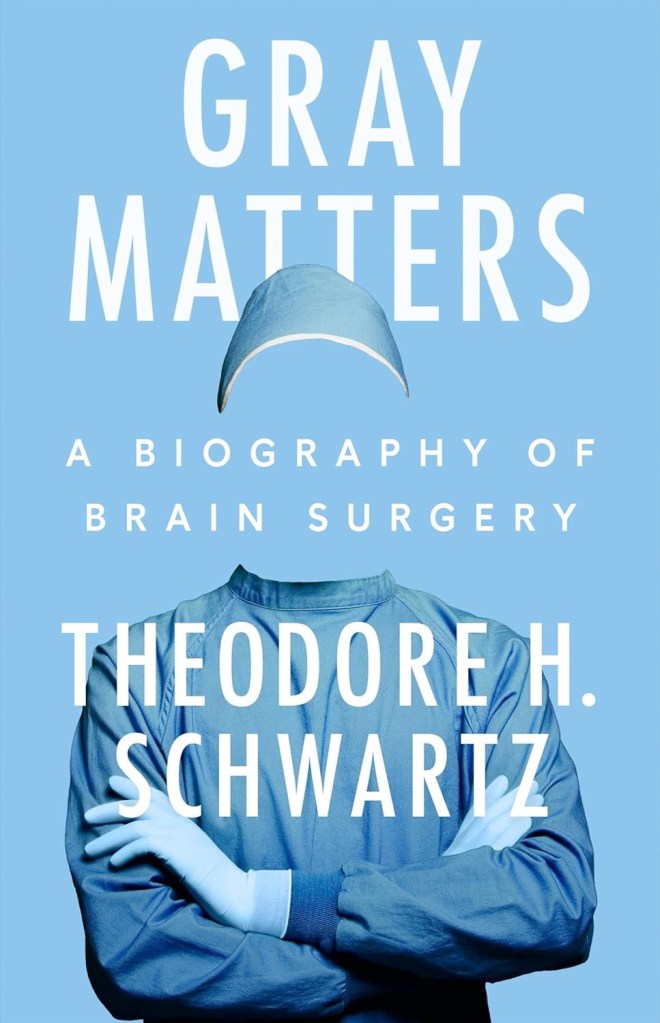
Dr. Scwartz’s book also touches on the classic debate in Philosophy of Free Will vs Determinism. That is, do we have a non-physical aspect to us like a mind or soul that leads our actions, or are we purely material and governed by the laws of physics like everything else in the world?
Are you ready to sharpen your critical thinking skills? What are the rules of arguments? How do we organize premises and evaluate claims?
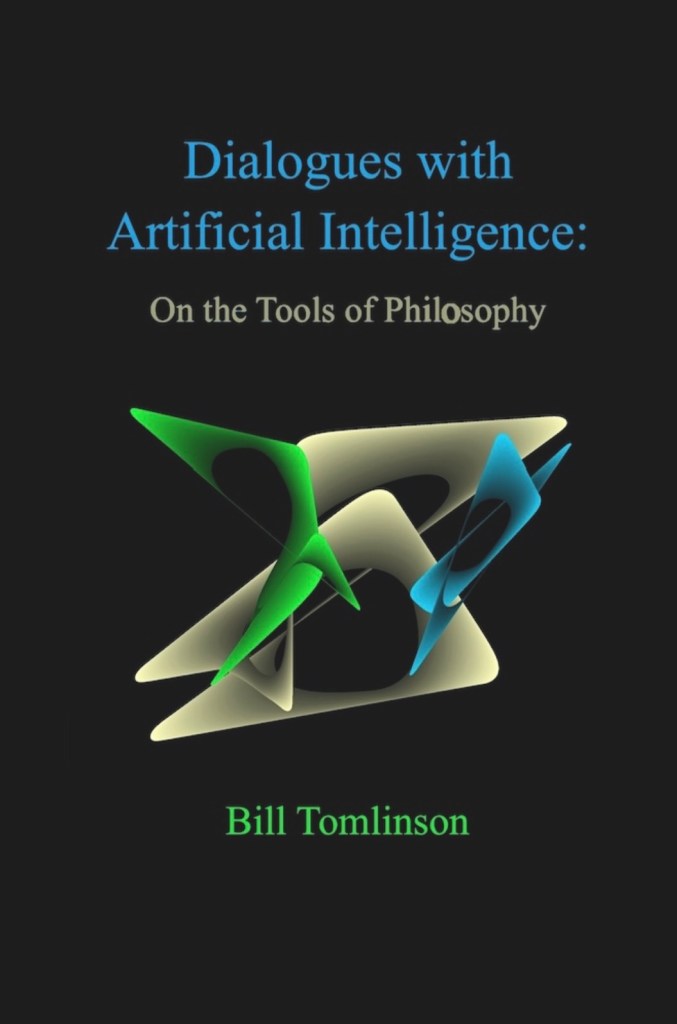
Professor Tomlinson’s book is a creative exploration of the basics of logic found in critical thinking that shapes our understanding of how we consume information from the news to advertisements. It is great to refresh your knowledge of debate and argument structure or simply get a thoughtful guide on how to communicate effectively. You’ll learn about deductive reasoning, inductive reasoning, paradoxes, definitions, and more.
Are you interested in participating in social change, but don’t know where or how to begin? Somebody Should Do Something will arm you with the history of successful changes, what made them successful, and how to employ the same methods. One of the philosophical questions addressed is where the responsibility begins and ends with the individual and the state.
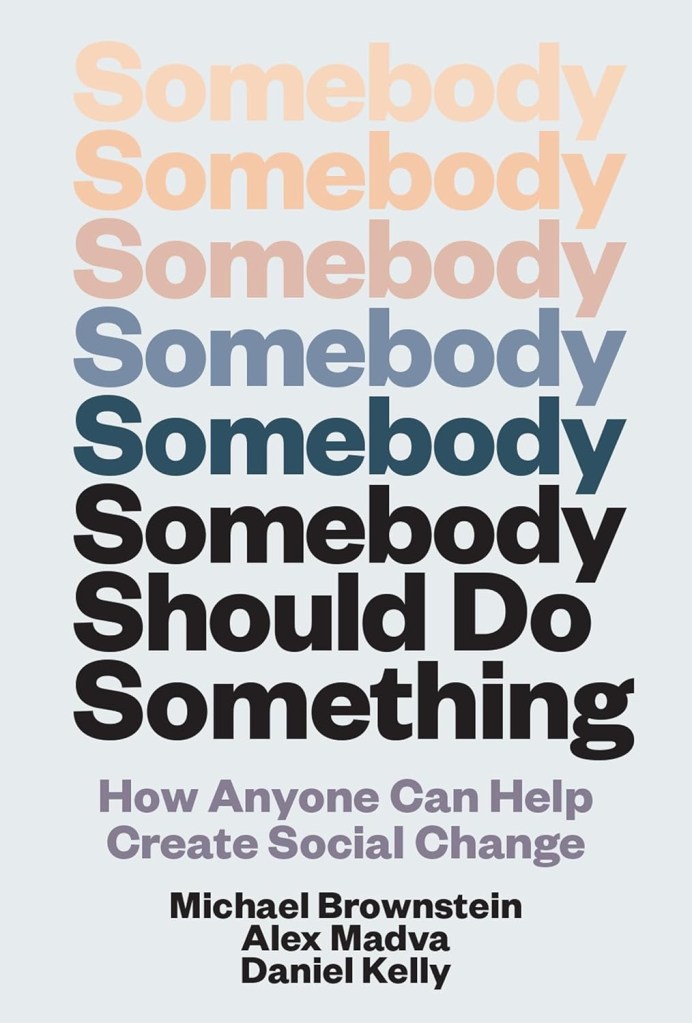
I found this book to be quite inviting in that the reader isn’t overwhelmed with philosophical jargon, but rather is inspired by the foundation of Philosophy and how it can be applied to making change in one’s community. Anyone interested in debates about policy, political science, advocacy, environmental ethics, and justice will find this book uplifting and engaging.
Have you ever wondered about exceptions to rules and when they make sense? Did you really have to get that ticket while jaywalking? Did the kid who stole a candy bar really need to be arrested? When should discretion be employed over an existing rule?
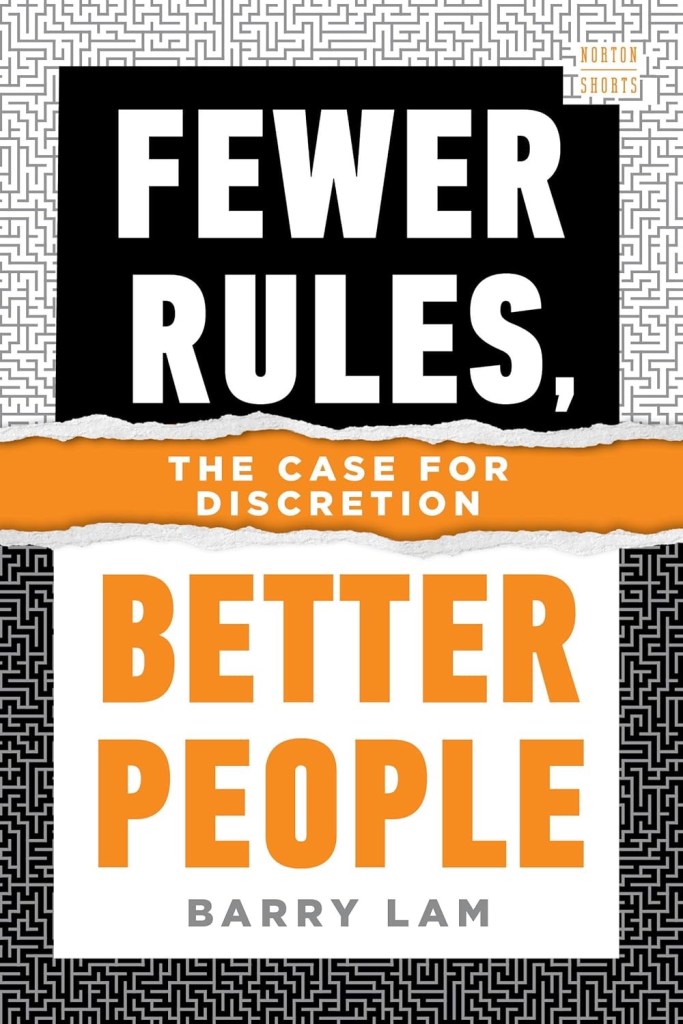
Professor Barry Lam is also a podcaster! His show Hi-Phi Nation is at the top of the Education and Philosophy charts. This book was inspired by the work he did in the podcasting realm: a mix of storytelling, analysis, and journalism.
Check out the Good Is In The Details episodes with these authors:
“Individual Choices, Challenges, and Social Change,” with Alex Madva and Dan Kelly. (This episode is a finalist in the HigherEd Podcast Conference Awards, July 2026)

“Discretion, Laws, and Moral Questions,” with Barry Lam.
As an Amazon Associate I earn from qualifying purchases when you click the links above.


Leave a Reply