Expert, “Expert,” or Appeal to Authority?
Every day we’re told to “listen to the experts.” At the same time, we’re warned not to trust experts. The result is confusion over a surprisingly basic philosophical question:
What makes someone an expert? Before we can debate medicine, education, economics, or public policy, we have to understand the meaning of the word itself. My training in Philosophy, that arduous task of getting to the meaning of things, has me laser focused on a very big problem in the rounds of morning show interviews and weekend roundtables; namely, what in the world is a fake expert or an “expert” (speaker gestures air quotes)?
Expert is an either/or. If this very basic idea/word is not understood and clarified, then anything that follows is asininity.
While definitions vary, expertise is generally recognized through several common indicators:
- Education in the field of expertise. (This too requires more specification, but will suffice for here.)
- Acknowledgment of work in field of expertise by other experts in the same realm.
- Experience in the field of expertise. (Again, one could get more granular here.)
- Measurable outcomes in relation to the expertise. (Publications, Collaborations, Innovations…)
This is not to say an expert is never wrong. In fact, people with expertise and wisdom generally invite more information, study, and discussion that would expand their knowledge, challenge it, or strengthen their existing idea. You see, a person with expertise got to that position intentionally, driven by a fascination with their particular subject. They are the ones most likely to be aware of the parameters of their knowledge, the sort of person who would answer a question with “I’ll have to look that up,” or “I don’t know, but I can tell you who would” when the question extends beyond their expertise.
Now, as we learned from Socrates, plenty of people attain a level of knowledge in one area, are satisfied with that and then lose interest in expanding their existing knowledge and/or then use that status to opine on matters outside of their field. A hypothetical example: Imagine an attorney with decades of experience practicing environmental law. That attorney may be an expert in environmental law, but that expertise alone does not qualify them to make authoritative medical claims about vaccines, neurology, or pharmacology. Said person might even declare Tylenol a causal factor for a condition like Autism, a condition that existed before Tylenol.
The phrase fake expert or “expert” doesn’t really have any meaning logically. A fake expert isn’t an expert. One doesn’t become an expert by proclaiming oneself to be an expert. Expertise is established by others through the aforementioned list. It is earned, not declared.
But, if we listen to experts, are we committing the fallacy of appealing to authority? That seems to be the implication by the critics of vaccines and of those who were in charge of COVID management.
Here’s the difference between listening to an expert and the fallacy of authority with a small example. When I go to see my doctor, the doctor is an expert (given the criteria listed above). If I have a specific issue, let’s say a problem with my vision, my doctor will then send me to the expert for vision, recognizing the parameters of their knowledge. Am I obligated to follow my doctor’s advice? No. I can seek a second opinion, consult another specialist, or even pursue the education myself. But in practice, most of us defer to experts because they have demonstrated competence according to objective standards, not because they merely claim authority.
If, however, I began asking my doctor for career advice and accepted every recommendation simply because they are a physician, I would be committing the appeal to authority fallacy. Their medical expertise does not automatically extend to career counseling. The fallacy happens when reason absconds from the deliberation. This yielding to authority is quite distinct from listening to an expert. Experts provide reasons and they do so publicly.
Being an expert does not mean that everything written or said is gospel. In fact, the work of experts is constantly tested, and when the data determines the expert is correct, then that person’s status as expert is elevated in that particular field. Data, outcomes, peer review, determine the label expert. We don’t just trust experts. We trust the measurable data.
Expertise matters because it is accountable. Good experts publish evidence, revise conclusions when new information emerges, welcome criticism from their peers, and expect their work to be tested. Trust should never rest solely in a person. It should rest in the quality of the evidence they provide. This is extremely important for navigating the world when it comes to so many areas of life: food, health, exercise, policy, school, media, journalism, and the list goes on.
The next time someone asks you to “trust the experts,” don’t stop there.
- Ask why they are considered an expert.
- Ask what evidence supports their conclusions.
- Ask whether their expertise actually applies to the question at hand.
- Philosophy begins with better questions.
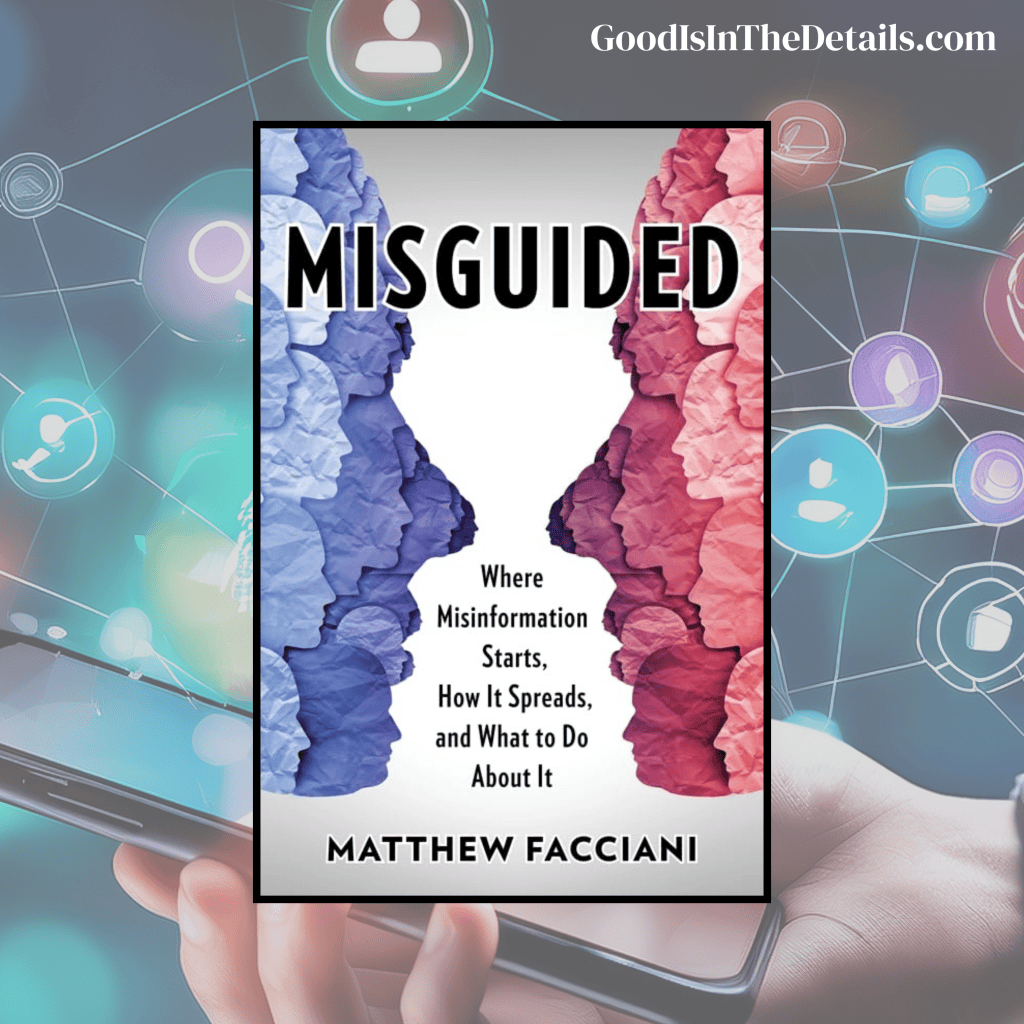
Want to learn more? Click below for a fruitful discussion with Social Scientist Matthew Facciani, author of Misguided. (Amazon Affiliate link for the book)


Leave a Reply