What does Women’s Equality Mean to You Today?
With the news of Dolly Parton’s passing, I decided to re-visit the classic, the iconic, the clever 1980 movie 9 To 5. I remember watching it as a child to the soundtrack of my parents’ chuckles, which crescendoed at the scene of Lily Tomlin in the hospital pushing around a hospital bed with a body draped in white cloth, feet sticking out, and a tag dangling from a toe. My memory ended there.
Armed with snacks and comfy clothes, I selected the movie 9 To 5, hit play, and readied myself for the absurdity. But, this time around, and only a few minutes into the film, I quickly became aware that I was in for something far more than comedy. I was watching a masterclass in the social and cultural power of comedy, art, and film.
The humor in the film worked because it intentionally poked fun at a power structure that was deeply flawed, and in turn, offered the audience an opportunity to engage through laughter, at a series of mismatched assumptions regarding success, efficiency, and gender. What appeared to be culturally “normal” in 1980 was challenged, and in such a way that it achieved what a political speech or academic essay couldn’t.
As I’ve written before, laughter is a unique type of agreement. In order for comedy to land, it must be observing and working within a familiar framework. (According to Hannah Arendt in On Violence, laughter is quite effective at diluting authority.)
My parents were of the “Silent Generation” and never shied from asserting gender roles as truth. With this in mind, I can’t help but wonder, what was behind their chuckles? I’m nearly the same age watching this as they were in the 80s. How did they reconcile their beliefs with the spirit of the film, one they enjoyed?
I’m reminded here of the genius of Lucille Ball, another example of my childhood entertainment where I vividly recall my parents’ laughter. But, my older self thinks of I Love Lucy radically differently from just a comedy show full of absurdity. Watching Ball take the lead on physical comedy, wear ridiculous costumes, stomp grapes, frantically shove chocolate into her mouth and hat, blacken her teeth, exaggerate facial expressions…all of this worked because of a specific idea of femininity, considered “normal” and reflected in custom and laws, which made for rich comedic seeds when countered. Ball challenged and worked with that framework, inviting the audience to laugh at the presupposition that strict ideas about what was appropriate or possible for women were somehow fixed. She could use her body for the sake of a joke. She could exercise the virtue of wit. She could be creative. And, behind the scenes, she could be the boss. I Love Lucy is evidence that women are more than objects of beauty, fragile, or that they exist solely to be the helper of their husband.
When I think of what equality means to me today, I’m first humbled by the work of extraordinary women: Dolly Parton, Lucille Ball, Gloria Steinem, Audre Lorde, bell hooks, Ruth Bader Ginsburg, Mary Wollstonecraft. In 2026, I have the luxury to contemplate the meaning of equality because they demonstrated what was possible, what narratives about women’s roles were false, and that the world of ideas from comedy to justice expresses our humanity rather than an activity of mind reserved only for men’s contemplation.
I would be remiss if I didn’t include tools of philosophy here as I reflect on the meaning of equality for me today; after all, equality is wrapped up in underscoring themes of justice and existential inquiry.
A point of clarification must be noted: when referring to equal, there can be a mathematical application or a legal and cultural application. I often see the former used in lieu of the latter and the mistake echoes in threads of claims rendered problematic due to this error at the foundation. In measurements of weight, distance, and height, equal points to the same amount; however, equal in terms of legal and cultural standards references opportunity (not amount).
The philosopher John Stuart Mill explained as much in his book The Subjection of Women. He called into question the legal position of subordinating women to men, in part, by pointing out that the British system of the 1860s held that choice and ability were the guiding principles for legal and professional positioning. If the system of the past, he argued, where one’s status and opportunity were limited by birth (one’s parents’ economic and social bracket) was deemed outdated, then why would women be left behind in the equation? That is, if choice and ability made more sense than adhering to a rigid system according to the circumstances of one’s birth, shouldn’t that extend to women? Why would the fact of being born as female remain the single legal way to determine one’s place in society?
While I’m indebted to the exceptional women (and men) who’ve worked to open opportunities and create laws protecting opportunities (most recently, The Crown Act comes to mind), cultural hurdles remain.
For example, legally women can study and practice medicine, but culturally their expertise will require more evidence to establish credibility. Legally, I can be a professor, but culturally, women professors and academics receive very different feedback from students with the expectation that women are to be more nurturing and flexible. Legally, it is a crime to assault a person, but culturally if I go for a walk with my headphones playing in my ears when it’s dark (5:00 pm November-February), my common sense would be called into question if I were attacked. Legally, I’m not obliged to wear make-up, but culturally I might be accused of moral failure and “giving up” if I decided to skip it. Legally, I can be a bookworm, but culturally when my time isn’t spent either parenting or investing in how appealing I can look for the male gaze, the decision to turn inwards and get lost in a book is odd. Legally, women do not have to have children, but culturally they’re viewed as deviant or incomplete.
These are just a few, and it’s important to acknowledge and learn about experiences of African-American Women, Latinas, Arab-American Women, Asian-American Women, for ethnicity, race, and religion all factor into particular expectations layered onto their woman-ness. I by no means want to speak over or on behalf of women of color, and so I’ll simply add this: I’ll know there’s equality when Black and Brown girls are not hyper-sexualized over their fellow classmates. I’ll know there’s equality when women of color in business, politics, law, medicine or any profession requiring graduate degrees are not assumed to be the assistant when they enter the room. I’ll know there’s equality when White women hear and advocate for their friends and colleagues who are women of color.
I want, I hope, for a future where women can walk to their car at night without looking over their shoulder, where women don’t have to text a friend before and after a date for safety, where a woman’s pain is taken seriously at the doctor’s office, where being “emotional” isn’t saddled with ridicule, where women aren’t peppered with questions about handling work-life balance because they must figure that out, where women running for political office don’t need to explain how being a woman isn’t a liability, and where youth isn’t the standard for beauty, worth, and acceptance.
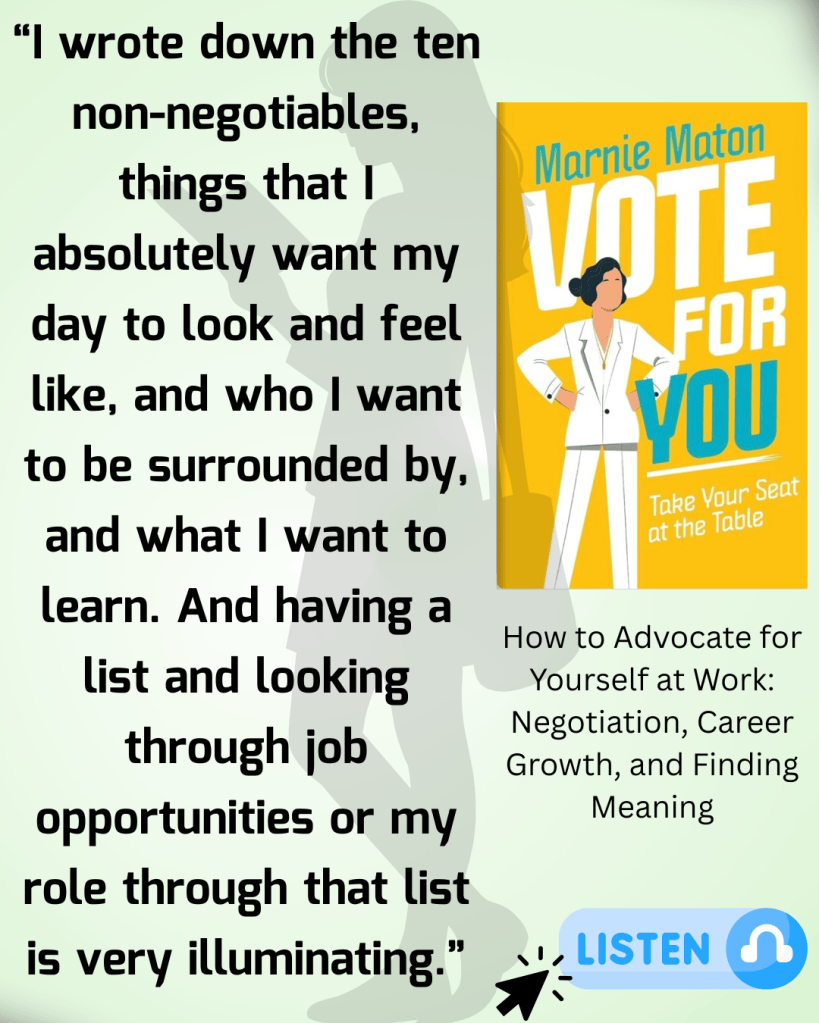
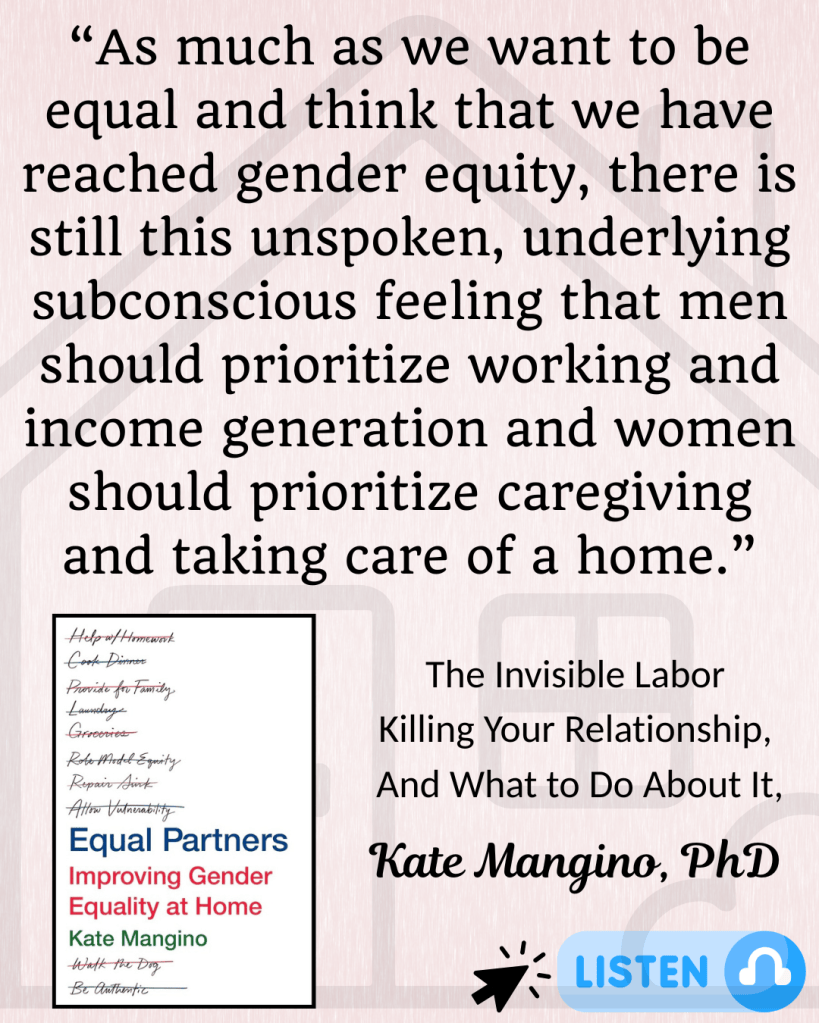
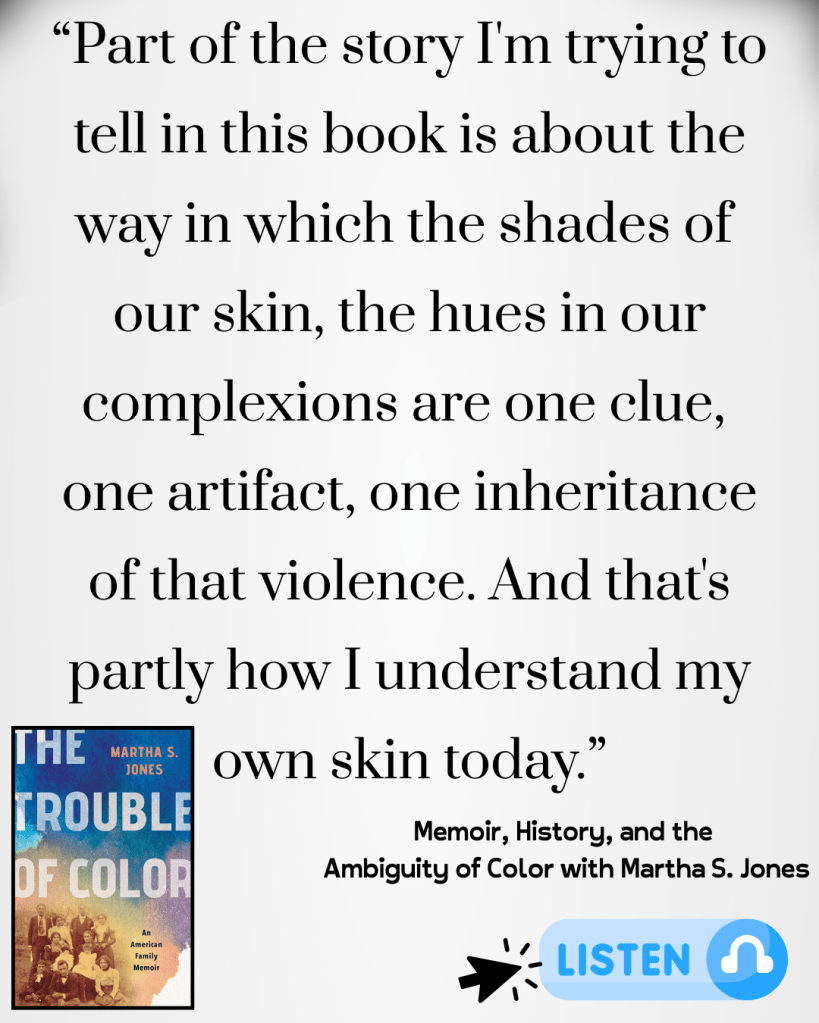
Explore this topic with these three podcast episodes from Good Is In The Details:
Click here for more philosophy resources & book recommendations.


Leave a Reply