Category: Culture & Society
-

Be More Existential, Less AI
The pitch. An email. Time crunch. A need to get it just right. A seemingly perfect solution: Have AI do it. There’s an ample amount of research on overuse of AI to the point where “AI slop” has entered the lexicon reminiscent of the way Google became a verb. Somewhere in the mix, expediency and…
-
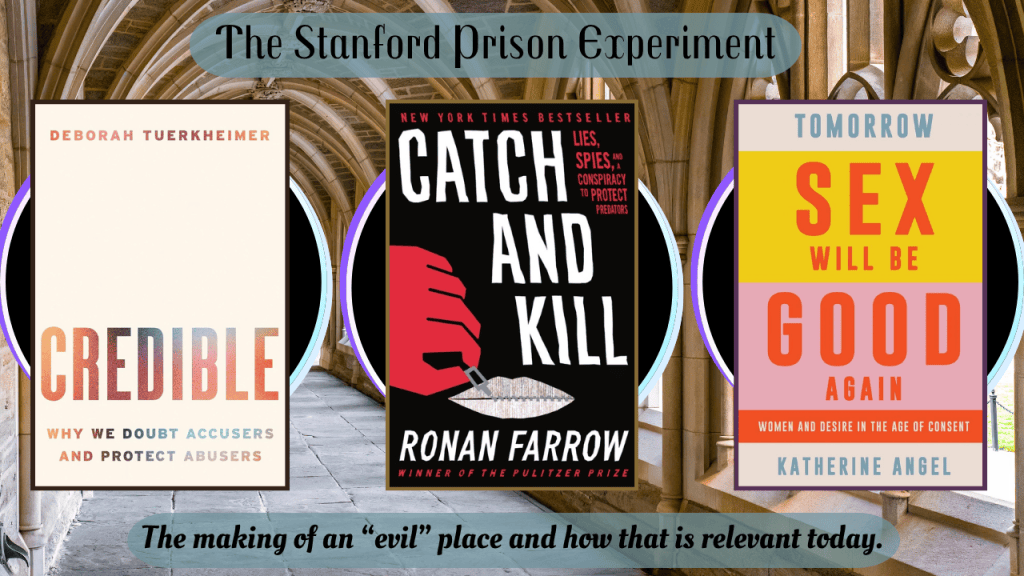
Names, Numbers, and Body Parts: A Blueprint for Evil
The infamous Stanford Prison Experiment I find interesting, but not for any of the reasons regarding its purpose or the dubious conclusions. Despite it being a staple on my Philosophy syllabi over the years, there isn’t much routine or repetition in the classroom discussions for it. That in and of itself is interesting! How can…
-
Legal Equality Isn’t Cultural Equality: What The Movie 9 to 5 and John Stuart Mill Still Teach Us
What does Women’s Equality Mean to You Today? With the news of Dolly Parton’s passing, I decided to re-visit the classic, the iconic, the clever 1980 movie 9 To 5. I remember watching it as a child to the soundtrack of my parents’ chuckles, which crescendoed at the scene of Lily Tomlin in the hospital…
-
Holbach, Bad Bunny, and Penguins
What does it mean to offend? Is to be offended a matter of subjective experience? Or are there specific requirements, a threshold of logic, if you will, that must be met for one to indeed rationally claim they are offended? People often mistake the introduction of “a” (another possibility) for an attack on “the”…
-
The Philosophy of Laughter: What Jokes Reveal About Power and Agreement
What Does It Mean to Laugh? Laughter is a type of agreement. Whether a slight chuckle or an explosive burst of hysterics that brings you to tears, laughter is only possible if three conditions are met: agreement, recognition, and knowledge. Absent even one of these, a joke flatlines. This reflection explores the philosophy of humor,…

